

 HiNews
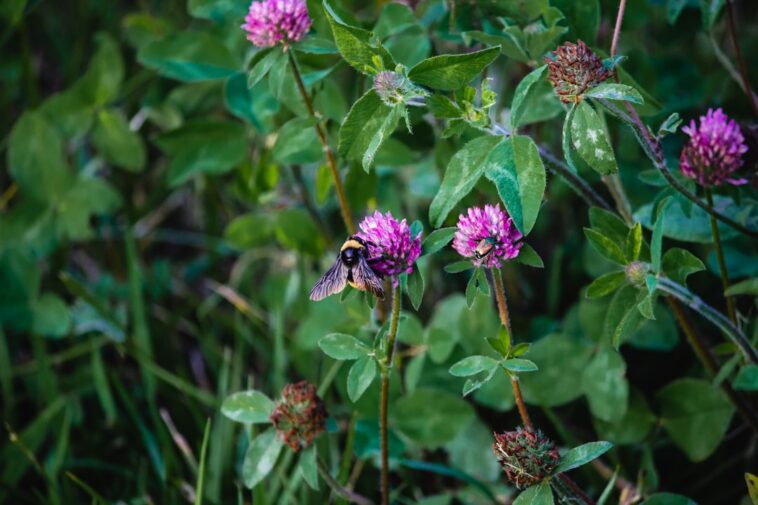
Because they are vital pollinators for many plants, including those that yield fruits, vegetables, and nuts, bees are an important part of our ecosystem. The pollination process would be seriously disrupted in the absence of bees, which would lower the yield of these crops. Indeed, pollination by bees is thought to be necessary for about one-third of the food we eat.
This establishes bees as a crucial component of our food chain & emphasizes their significance in preserving a stable and thriving ecosystem. Also, bees support our planet’s biodiversity. They support the natural habitats of numerous other species, such as animals and insects, by pollinating a vast array of plants.
The activity of bees is essential to the survival and well-being of this intricate network of life. Bees also produce honey, which has been used by humans for thousands of years as a natural sweetener and for its medicinal qualities. It is impossible to exaggerate the significance of bees in our ecosystem, and their disappearance threatens the sustainability and balance of our surroundings.
The decrease in bee populations in recent times can be attributed to various factors. The destruction of natural bee habitats due to agricultural expansion and urbanization is one of the main causes. Bees now have fewer places to nest and forage, which makes it harder for them to find food & procreate. Also, bee populations have suffered as a result of the use of pesticides and herbicides in agriculture.
These substances may poison bees, making it difficult for them to travel, find food, & procreate. The spread of parasites and diseases among bee colonies is a major additional factor in the decline of bees. Particularly dangerous to bee populations are varroa mites, which feed on the bodily fluids of bees and can spread viruses that weaken and kill the insects. Bee decline is also a result of climate change, which can alter bee food sources and interfere with the timing of flowering plants.
The world’s bee populations have significantly declined as a result of these combined factors, endangering our ecosystem. Food production and agriculture have been significantly impacted by the bee population decline. As was previously mentioned, bees are necessary for pollinating a wide variety of crops, such as fruits, vegetables, & nuts. These crops’ ability to be produced would be greatly hampered without bees, which would result in lower yields & worse quality. This would likely result in higher prices for these foods, which would impact both their affordability and availability.
Moreover, a drop in biodiversity within agricultural systems may result from the decline in bee populations. A lot of plants depend on bees to pollinate them; without them, these plants would find it difficult to grow and thrive. Crop species may become less genetically diverse as a result, which would increase their susceptibility to pests, illnesses, & environmental changes. It is crucial to address this issue because of the substantial effects that bee decline is having on agriculture and the availability of food.
Many attempts are underway to prevent the bee population decline and save them. A method is to plant a variety of native flowers and provide bees with places to nest, thus creating and maintaining bee-friendly habitats. Bee populations can be supported and their health & reproduction can be encouraged by doing this in urban areas, agricultural landscapes, and natural habitats.
In addition, there are campaigns to lessen the amount of pesticides and herbicides used in agriculture, along with initiatives to create alternative pest control techniques that are less detrimental to bees. Educating people about the value of bees & the dangers they face is another crucial endeavor. People can learn more about the importance of bees to our ecosystem and how they can support conservation efforts by participating in outreach & education programs. In addition, research and monitoring projects are being carried out with the goal of identifying the causes of bee decline and creating mitigation plans.
Addressing the decline in bee populations and securing their long-term survival depend heavily on these efforts. The drop in bee populations has been largely attributed to pesticide use. Insecticides, herbicides, and fungicides used in agriculture can directly harm bees, impacting their behavior, ability to reproduce, and general health. Specifically, because neonicotinoid pesticides can affect bee immunity, navigation, and foraging skills, they have been specifically connected to the decline of bee populations.
Bees may also be exposed to additional dangers due to the accumulation of these chemicals in the environment, which can contaminate their habitats. Moreover, pesticides may have an indirect effect on bee populations by influencing their food sources. For instance, bees depend on wildflowers & other flowering plants for nectar and pollen, but their availability may be lowered by the use of herbicides. This may result in a lack of food for the bees and accelerate their decline. Pesticides’ complicated role in the decline of bee populations necessitates careful thought and action to reduce their negative effects.
Beyond just agriculture, the decline in bee populations has substantial economic ramifications. As was already mentioned, a large number of crops that are a part of our food supply require bees to be pollinated. A decline in bee populations could result in lower crop yields and lower quality, which could raise consumer costs.
The livelihoods of farmers who depend on these crops for a living would also be impacted, in addition to the availability of specific foods. Bee populations declining may also have wider economic ramifications for sectors of the economy that depend on crops pollinated by bees. One possible consequence of declining bee populations is the production of honey and other products related to bees. Also, finding bee-pollinated crop ingredients at reasonable prices may prove difficult for businesses like food and beverage firms that rely on these crops for their products.
The economic effects of bee decline emphasize how urgently this problem needs to be resolved. People can support bee conservation efforts & help save the species in a number of ways. Planting native flowers in gardens or on balconies is one easy method to create habitats that are beneficial to bees. In addition to giving bees food, this can produce nesting places where they can procreate. Also, people can advocate for organic farming methods that reduce pesticide usage & enhance biodiversity in agricultural settings. Moreover, mobilizing support for bee protection requires spreading knowledge about the value of bees and their conservation.
This can be achieved through social media campaigns that draw attention to the threats that bees face and their importance to our ecosystem, as well as through education initiatives and community outreach programs. Moreover, people can help their neighborhood beekeepers by buying honey and other products related to bees from sustainable sources. In summary, bees are essential pollinators in our ecosystem and add to the planet’s biodiversity. Agriculture, the supply of food, and the general equilibrium of our ecosystem are all seriously threatened by the bee population decline. In addition to lowering pesticide use & increasing public awareness of the bees’ significance, bee-friendly habitat creation and support of research and monitoring initiatives are also part of the efforts to save the bee population.
Also, individuals can make a difference by cultivating habitats that are friendly to bees, endorsing organic farming methods, spreading awareness about bee conservation, and helping out local beekeepers. We may contribute to ensuring the long-term survival of these vital pollinators by cooperating to address the causes of bee decline.