

 HiNews
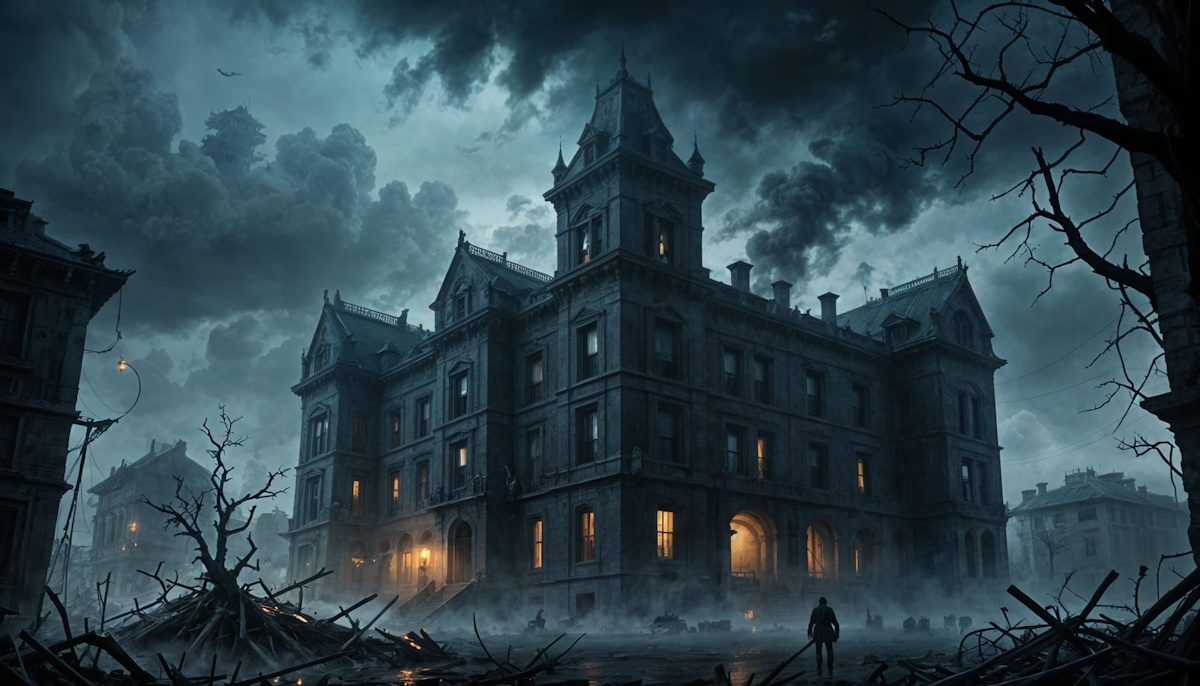
In Chinese mysticism, the concept of 煞氣 (shā qì / Sha Qi) is one of profound significance, deeply embedded in traditional beliefs, feng shui practices, and cultural interpretations of health and misfortune. Although Sha Qi is commonly translated as “evil spirit,” this translation often oversimplifies its complex and nuanced nature. A more precise and evocative term might be “nefarious atmospheric pressure,” capturing the essence of this invisible force that is believed to influence the environment, personal well-being, and even the flow of fate. This introduction delves into the origins, interpretations, and contemporary relevance of Sha Qi, exploring how this mystical concept intertwines with the physical and metaphysical worlds.
Understanding Sha Qi: Origins and Basic Interpretation
The term Sha Qi combines two characters: 煞 (shā), which can mean to kill, suppress, or injure, and 氣 (qì), referring to energy, breath, or atmosphere. Together, they convey an ominous force that permeates spaces, objects, and individuals. In Chinese culture, Sha Qi is not merely a spirit or ghost but a type of malignant energy that manifests in various forms, affecting everything it touches. It is seen as a disruption of harmony, a malevolent atmospheric presence that can disturb the natural balance of energy, leading to misfortune, illness, or negative outcomes.
Historically, the idea of Sha Qi has roots in Daoism, feng shui, and traditional Chinese medicine (TCM). These disciplines view the world as a complex interplay of energies, where positive and negative forces constantly interact. Sha Qi is the disruptive, harmful energy that counters the positive life force known as 正氣 (zhèng qì). While Zheng Qi promotes health, prosperity, and harmony, Sha Qi is its antithesis—destructive, corrosive, and often associated with accidents, sickness, and bad luck.
The Manifestations of Sha Qi: Beyond the Physical
Unlike the simplistic notion of an “evil spirit,” 煞氣 operates on multiple levels—physical, emotional, and spiritual. It is often described as an atmospheric pressure that weighs down on people and places, influencing their mood, behavior, and even physical health. For example, a room filled with 煞氣 might feel oppressive, causing anxiety or discomfort without any visible reason. This energy can accumulate in cluttered spaces, dark corners, or areas with poor ventilation, turning these locations into sources of distress.
Environmental Manifestations: In feng shui, Sha Qi is often associated with unfavorable environmental features, such as sharp corners, dilapidated buildings, or polluted areas. Known as “poison arrows,” these elements create a hostile atmosphere that disrupts the flow of positive energy, potentially leading to adverse effects on the occupants. For instance, a house facing a T-junction or a hospital is said to be vulnerable to Sha Qi, attracting misfortune.
Emotional and Psychological Impact: On an emotional level, Sha Qi can manifest as a pervasive sense of dread, anxiety, or anger. It is believed that people can carry Sha Qi within themselves, influencing their interactions and decision-making processes. A person overwhelmed by negative emotions, unresolved trauma, or chronic stress might exude Sha Qi, inadvertently affecting those around them. This concept ties into the idea that negative thoughts and emotions can generate an energy field that mirrors the destructive nature of Sha Qi.
Spiritual and Metaphysical Aspects: Spiritually, Sha Qi is often linked to the presence of ghosts, malevolent spirits, or other supernatural entities. In traditional Chinese beliefs, spirits who have suffered untimely deaths or harbor resentment are thought to generate Sha Qi, creating disturbances in the human world. Temples, cemeteries, and other sites associated with death or tragedy are commonly regarded as places with high levels of Sha Qi.
Nefarious Atmospheric Pressure: A More Accurate Description
Describing Sha Qi as “nefarious atmospheric pressure” rather than merely an “evil spirit” broadens our understanding of its multifaceted nature. This term captures the palpable yet intangible presence of negative energy that can saturate an environment, much like how atmospheric pressure can be felt even though it is invisible. This perspective emphasizes that 煞氣 is not a singular entity but a pervasive influence, more akin to an environmental condition than a discrete spirit.
Pressure and Flow: Just as atmospheric pressure can affect weather patterns, Sha Qi influences the flow of qì within a space or person. It can be seen as a form of energetic congestion that disrupts the balance necessary for harmony and well-being. This analogy helps to demystify Sha Qi, making it easier to conceptualize how energy dynamics work in traditional Chinese thought.
A Continuous Presence: Unlike the sudden impact of an evil spirit, nefarious atmospheric pressure suggests a more constant, insidious presence. It is something that builds up over time, shaped by environmental neglect, emotional turmoil, or spiritual unrest. This description aligns with the idea that Sha Qi can accumulate, linger, and slowly corrode positive energies, much like how high atmospheric pressure can lead to a stifling and oppressive atmosphere.
Modern Relevance of Sha Qi in Contemporary Society
While the traditional understanding of Sha Qi stems from ancient beliefs, its relevance persists in modern society. In contemporary times, many people still consult feng shui experts to assess the levels of Sha Qi in their homes or workplaces. Urban environments, with their chaotic energy, pollution, and high-stress lifestyle, are seen as fertile grounds for Sha Qi, contributing to the physical and mental strain experienced by city dwellers.
Moreover, the concept of Sha Qi can be metaphorically applied to modern issues such as mental health and environmental sustainability. The chronic stress of urban living, constant exposure to negative news, and the increasingly disconnected nature of human relationships can be viewed as manifestations of Sha Qi in today’s world. Understanding and mitigating this “nefarious atmospheric pressure” becomes essential for creating healthier, more harmonious living conditions.